Tarpaulins serve many scenarios: cargo coverage, truck protection, storage covers and outdoor shielding. It can be tricky for purchasers to tell durable tarps apart from cheap, quickly worn-out ones. You can judge product quality from these key points.
Start with raw material. Top-grade tarps are commonly made of heavy polyester base fabric with PVC coating. This material features strong tensile and tear resistance, solid waterproof capability and UV resistance, standing up to prolonged sun, rain and wind exposure. Thin, low-density fabrics easily split and leak in tough outdoor conditions.
Fabric weight is a straightforward reference. For heavy-duty applications such as truck cargo wrapping, heavy options like 18oz tarps offer better service life. Light tarps are only suitable for short-term indoor use.
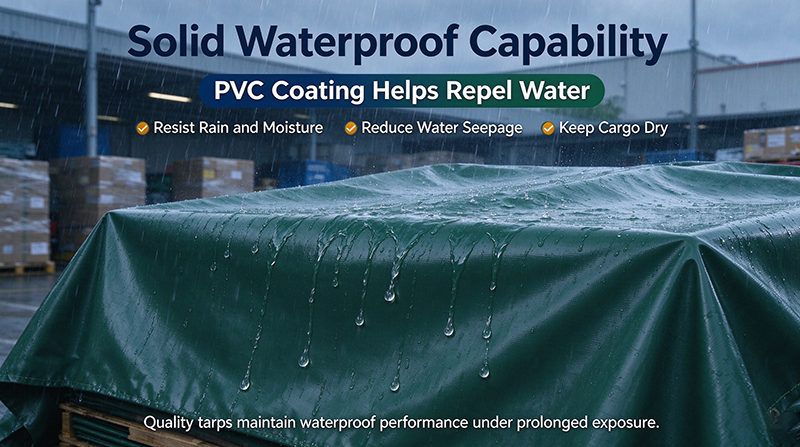
Pay attention to seams and edge treatment. Hot-welded joints outperform regular stitched seams, as heat sealing stops water seepage. Reinforced edges and robust metal grommets secure the tarp firmly and avoid ripping under tension.
For cross-border purchases, relevant certifications are essential. Tarps that pass flame retardant, anti-UV and Prop 65 tests satisfy market standards in Europe and North America. Request valid test reports from suppliers before placing bulk orders.
Most importantly, pick a tarp grade matching your usage. Truck haulage, fumigation covers and warehouse storage all call for different specs. Do not pay extra for unnecessary functions, and do not compromise quality for lower prices.
A reliable tarpaulin safeguards your goods and reduces repeated replacement costs over time. Assess materials, fabric weight, sealing workmanship and compliance certificates, and you will make a sensible buying choice.
Post time: Oct-26-2026


