The global textile industry undergoes structural adjustments in 2026, marked by explosive cross-industry growth in demand for fabric rolls. Demand is no longer limited to traditional garment manufacturing, with industrial sectors including logistics tarpaulins, outdoor protection supplies and home textiles becoming major growth drivers. Driven by recovering global manufacturing and restocking by overseas brands, fabric roll orders have achieved double-digit year-on-year growth across North America, Europe and Southeast Asia.
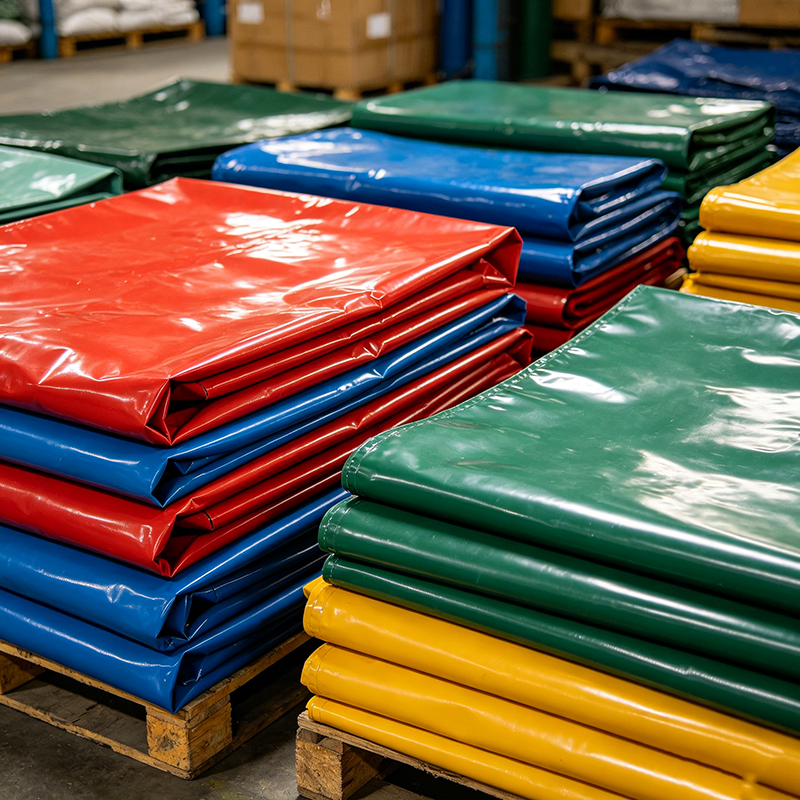
To meet stringent international textile import standards and surging market demand, leading fabric manufacturers have comprehensively upgraded production facilities. Outdated weaving machines have been replaced with high-speed intelligent looms, paired with low-temperature water-free eco-friendly finishing techniques. These upgrades cut raw material waste by 18% and greatly improve fabric tear resistance, weatherability and color fastness, resolving common quality defects such as fabric damage and fading during cross-border transportation.
Green and low-carbon production has become a mandatory industry trend. Spurred by EU and US carbon tariff regulations and growing consumer demand for sustainable goods, recycled and biodegradable fabric rolls account for over 32% of global production in 2026. Leading suppliers have also optimized supply chains by building local warehouses and automated production lines to shorten lead times and offset delivery risks caused by shipping and exchange rate fluctuations.
Market competition has shifted to differentiated development. Suppliers with integrated capabilities in sustainable raw materials, intelligent manufacturing and efficient delivery gain dominant popularity among overseas buyers, offering customized fabric width, grammage and functional coatings to meet diverse procurement needs.
For tarpaulin-specific fabric rolls, the sector shows a distinct trend of volatile raw material prices and continuous product quality upgrading in 2026. Core tarpaulin raw materials include high-strength polyester base fabric, PVC resin, PE film and functional additives. Affected by fluctuating crude oil and calcium carbide prices as well as unstable shipping exchange rates, PVC and industrial polyester filament prices rose by 5% to 8% year-on-year in the first half of the year, squeezing profit margins for small and medium-sized manufacturers. Instead of lowering product quality to cut costs, top-tier suppliers leverage intelligent production to absorb cost pressures. By optimizing weaving density, upgrading nano cross-linked coating technology and adding UV stabilizers, they improve tarpaulin performance in water resistance, anti-aging and temperature tolerance without sharp price hikes, while further reducing material loss.
Two factors underpin this quality upgrade. Firstly, cross-border quality inspection standards for tarpaulins used in logistics and infrastructure across Europe, America and Southeast Asia have been tightened, phasing out substandard products. Secondly, the market is eliminating low-cost inferior products, as buyers prioritize durable and recyclable tarpaulins. The industry has entered a new era featuring normalized price fluctuations and high-end quality. Tarpaulin quotations change daily due to dynamic supply and demand, leading to delayed public market data. Contact us for the latest real-time raw material trends, spot tarpaulin quotations and customized solutions.
Post time: Jun-15-2026


